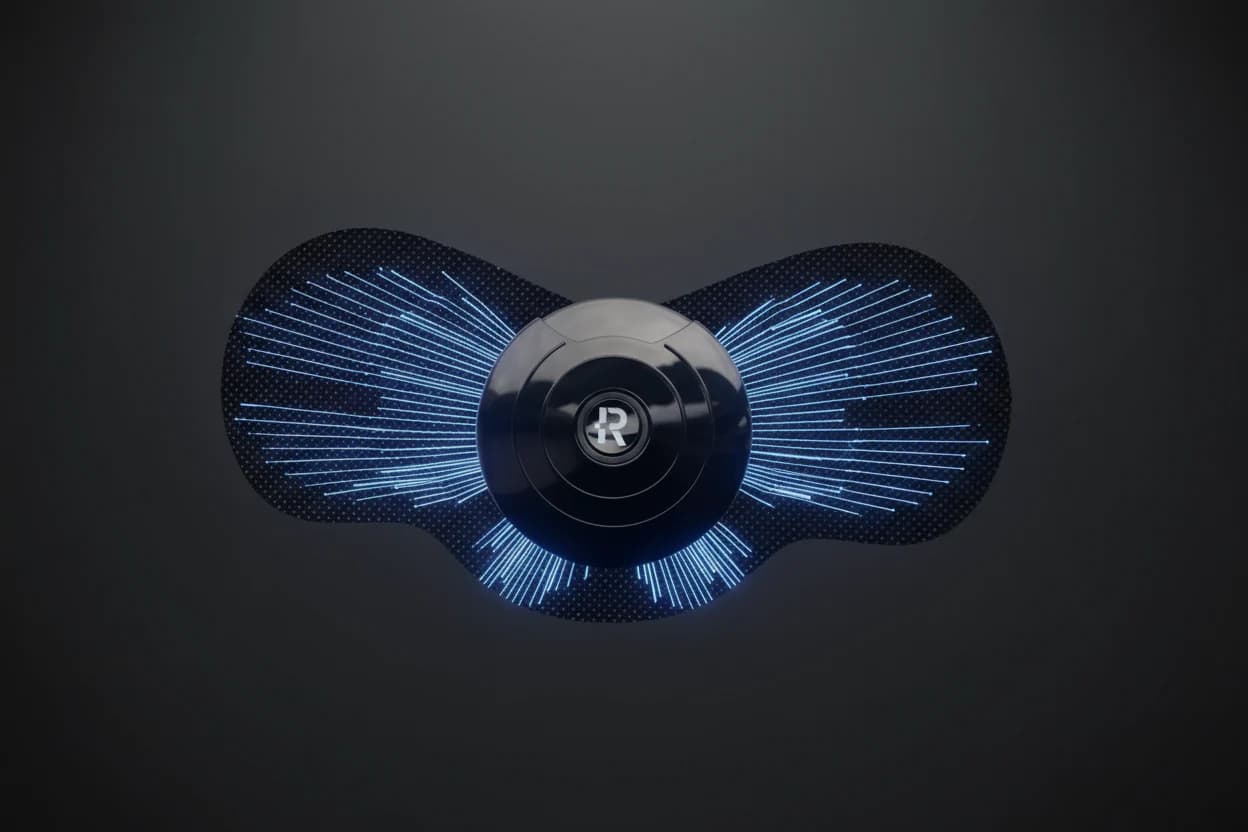

BOA Annual Congress 2026
Evaluating the Effect of Electrical Muscle Stimulation (EMS) on Post-Operative Musculoskeletal Function and Recovery
Preserving Quadriceps Volume and Early Function After Unilateral TKR
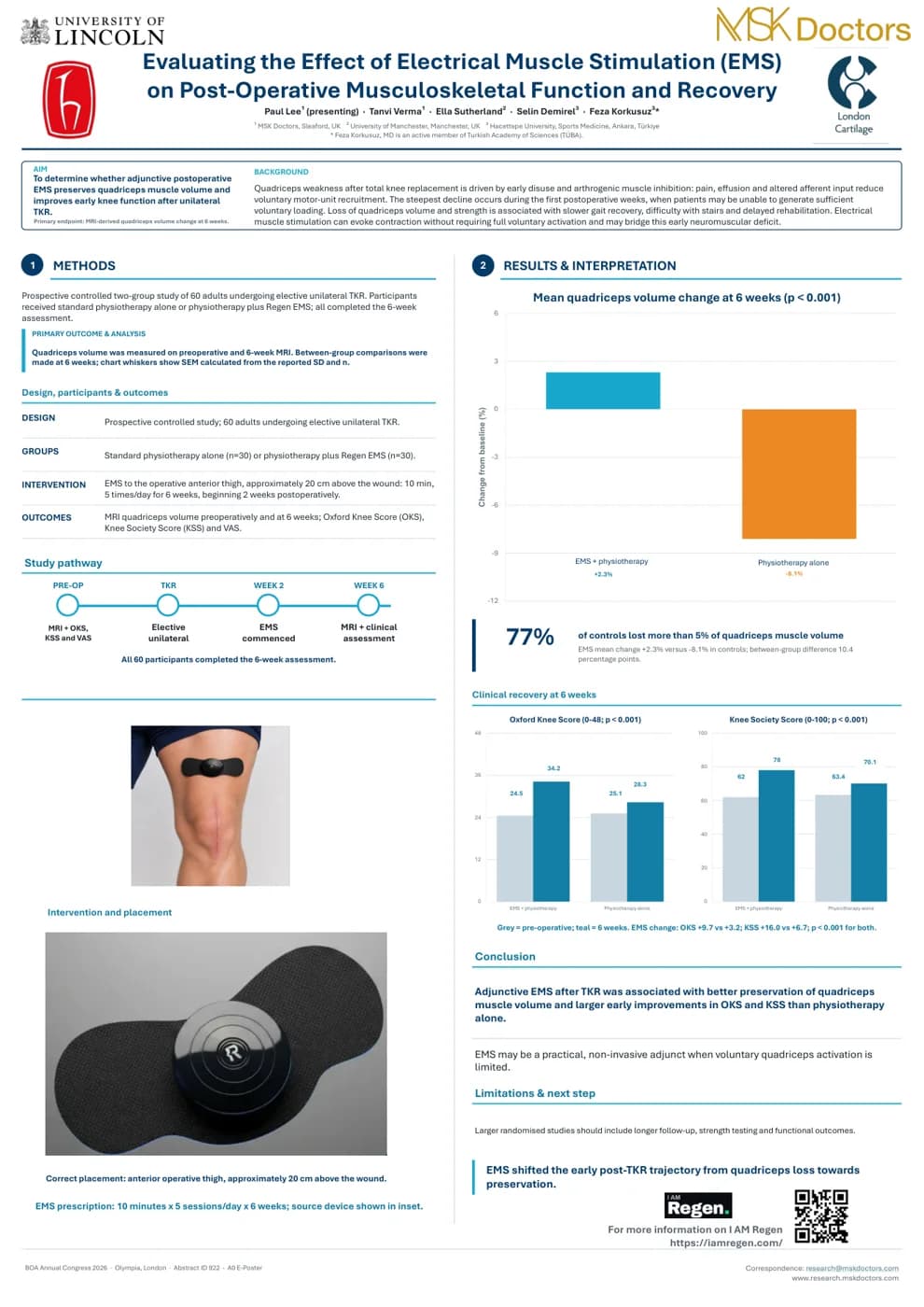
A prospective controlled study of 60 adults after total knee replacement, comparing physiotherapy alone with physiotherapy plus EMS. At six weeks the EMS group had gained quadriceps volume while controls had lost it — a between-group difference of 10.4 percentage points.
Where and when
- Presented
British Orthopaedic Association
September 2026Olympia London, United Kingdom
This study was also presented at ICRS Summit 2026.
Authors
- Paul Lee — Presenting author, MSK Doctors, Sleaford
- Tanvi Verma — Co-author, MSK Doctors, Sleaford
- Ella Sutherland — Co-author, University of Manchester
- Selin Demirel — Co-author, Hacettepe University, Ankara
- Feza Korkusuz — Co-author, Hacettepe University, Ankara
BOA abstract ID: 922
Themes
Scientific Focus
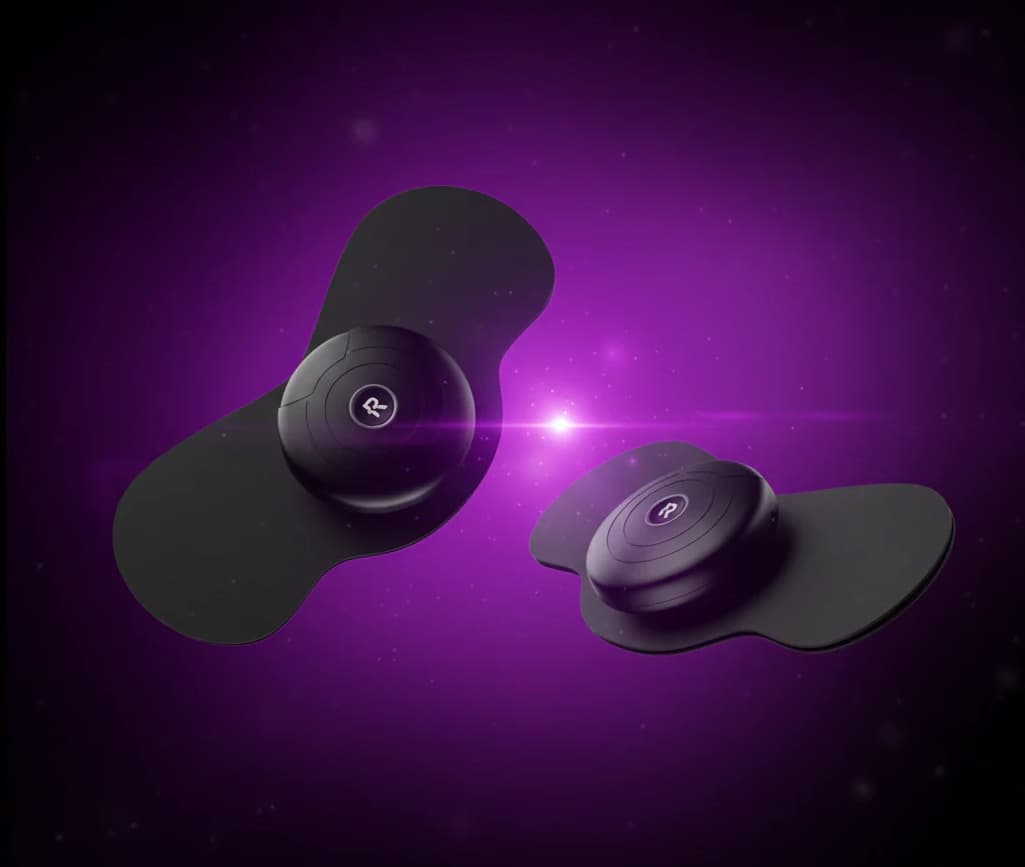
Quadriceps weakness after knee replacement is driven by early disuse and arthrogenic muscle inhibition — pain, effusion and altered afferent input reduce voluntary motor-unit recruitment, and the steepest decline happens in the first postoperative weeks, exactly when patients cannot generate sufficient voluntary loading. Sixty adults undergoing elective unilateral TKR received standard physiotherapy alone (n=30) or physiotherapy plus Regen EMS (n=30), the latter applied to the anterior operative thigh approximately 20 cm above the wound for 10 minutes, five times a day for six weeks, beginning two weeks after surgery. The primary endpoint was MRI-derived quadriceps volume change at six weeks.
Why It Matters
The EMS group gained a mean 2.3% of quadriceps volume while controls lost 8.1% — a between-group difference of 10.4 percentage points (p < 0.001) — and 77% of controls lost more than 5% of quadriceps volume. Clinical scores moved with it: Oxford Knee Score rose 9.7 points with EMS against 3.2 with physiotherapy alone, and Knee Society Score rose 16.0 against 6.7 (p < 0.001 for both). Electrical stimulation can evoke contraction without requiring full voluntary activation, which is what makes it a plausible bridge across the early neuromuscular deficit. The authors note that larger randomised studies with longer follow-up, strength testing and functional outcomes are still required.
 View full size
Next in the programme
Relationship Between Radiographic Knee Osteoarthritis Severity and Hip Movement Quality in Patients Without Hip Osteoarthritis
BOA Annual Congress 2026 · September 2026